


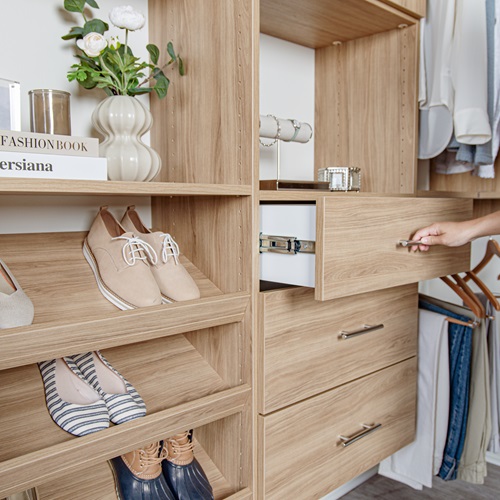
Discover how intentional closet design boosts NOI (Net Operating Income) in 2026. Learn how storage impacts leasing velocity, turnover efficiency, maintenance costs, and Resident satisfaction — and why Multifamily teams are rethinking closets as a strategic asset.
In a year defined by tighter budgets, slower construction starts, and rising operational pressure, Multifamily teams are re-evaluating every line item that affects performance. One area gaining unexpected attention: storage.
Closets may not be the flashiest feature in a unit, but they’re one of the few that influence leasing, retention, maintenance, and long-term asset performance — all at once. And in 2026, that makes them a strategic advantage.
Industry leaders are shifting their mindset: storage isn’t a “nice-to-have.” It’s a daily-use feature that shapes how Residents live, how teams operate, and how communities perform financially.
Storage That Speeds Up Leasing
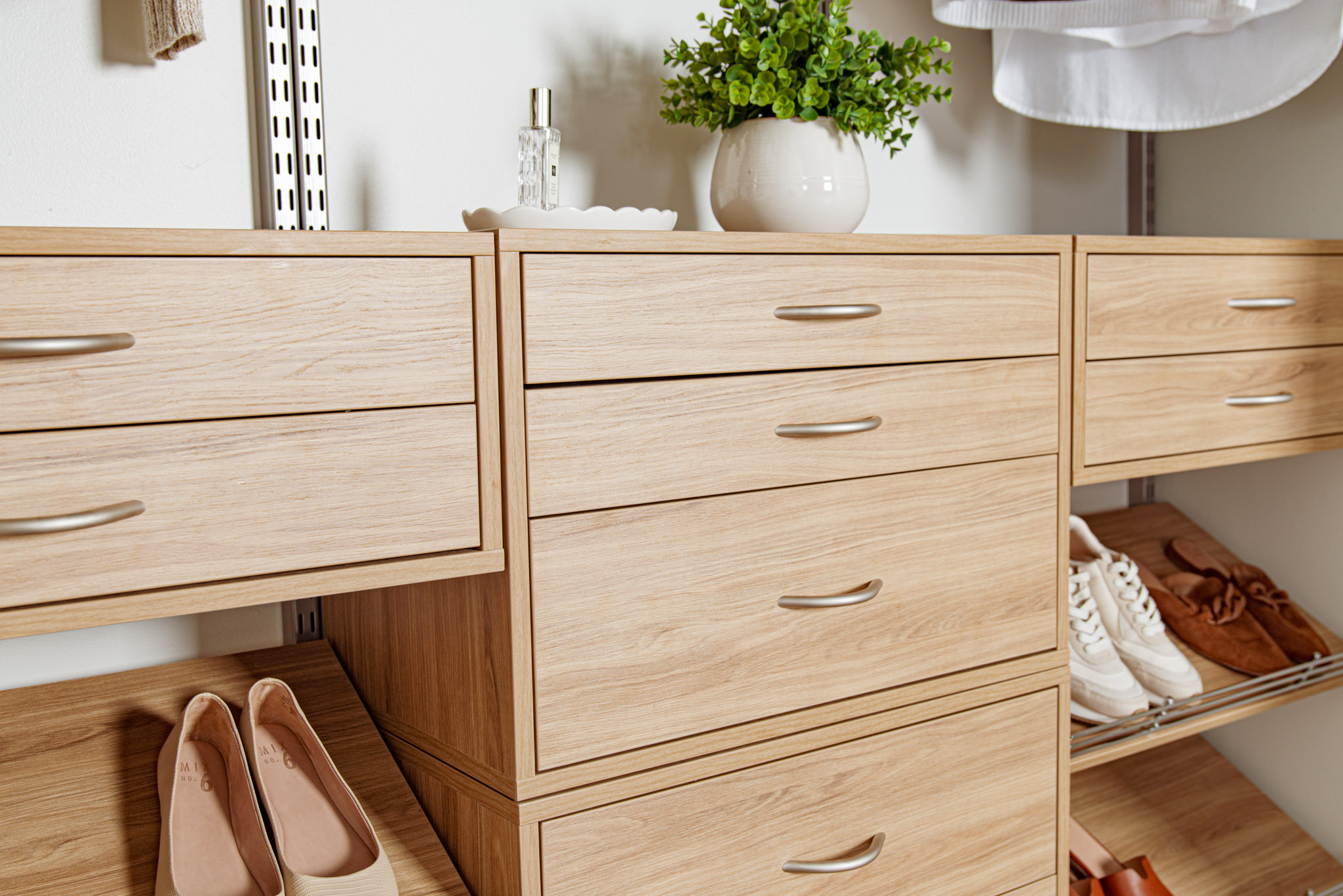
Today’s renters are making decisions faster, and they’re prioritizing functionality over flash. National renter preference studies from NMHC, Grace Hill, and RCLCO consistently show that storage and closet space rank among the top interior features influencing leasing decisions — often outranking finishes and cosmetic upgrades.
Thoughtful closet design helps communities:
Stand out in competitive markets
Showcase move-in-ready functionality
Reduce objections during tours
Increase perceived unit value without increasing construction costs
When Residents can instantly picture their life fitting into a space, leasing accelerates.
Lower Turnover Costs Through Smarter Design

Turnover is one of the biggest operational expenses in Multifamily, and storage plays a bigger role than most teams realize.
Durable, adaptable closet systems reduce:
Damage from daily use
Repairs between Residents
Full tear-outs during renovations
Time spent coordinating maintenance
Systems like freedomRail® and Select® are engineered to withstand high-turn environments, reducing surprises and improving transitions for on-site teams.
Maintenance Savings That Add Up
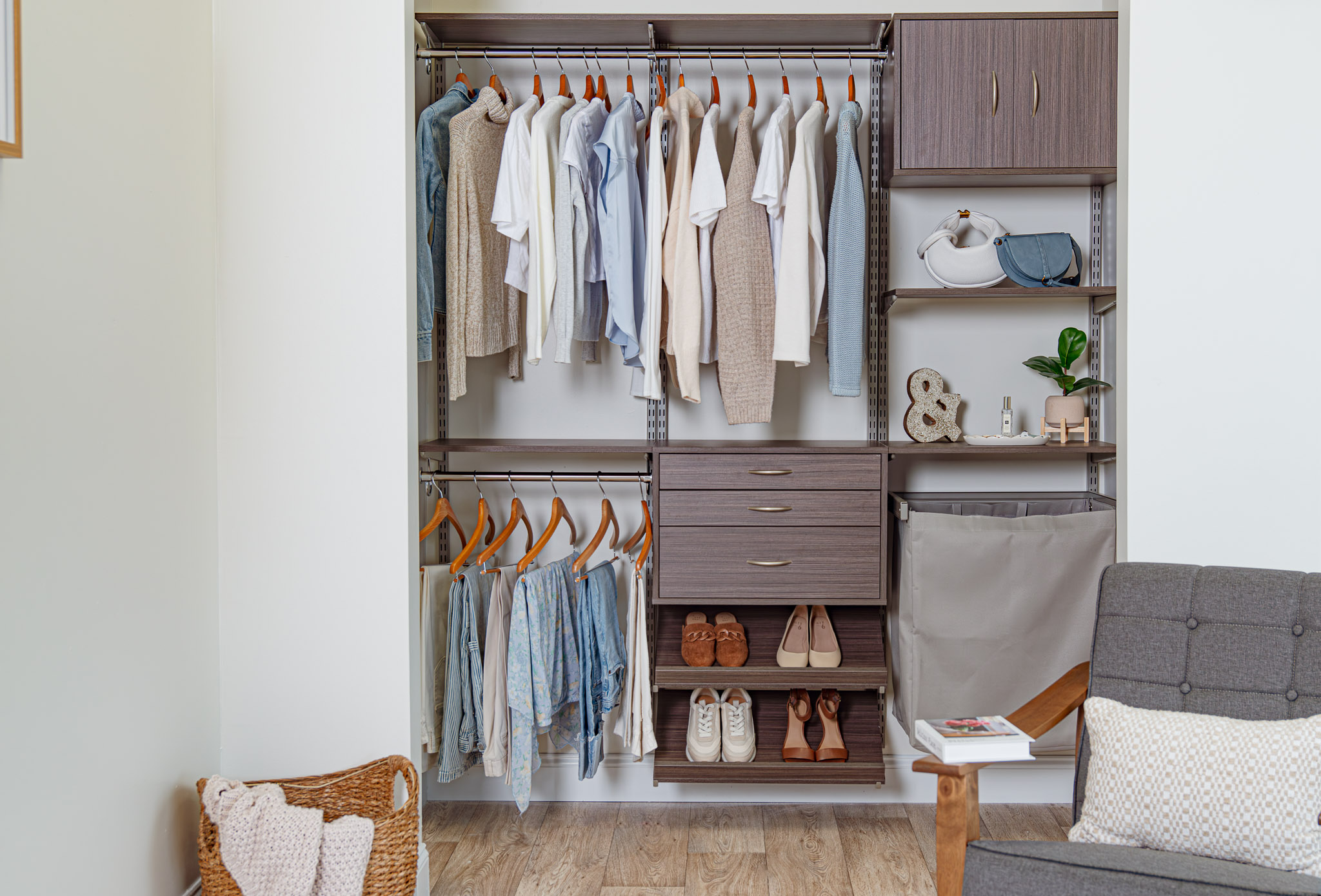
Maintenance teams know the truth: plank-and-pole systems don’t age well. They chip, warp, and require full replacement when one component fails.
Adjustable systems solve this by allowing teams to:
Replace individual parts instead of entire systems
Reconfigure layouts without construction
Maintain consistency across units and phases
Reduce long-term capital expenditures
Over the life of a building, these savings compound — directly impacting NOI.
A Better Resident Experience = Higher Retention

Residents stay where life feels easier. Storage is one of the most consistent touchpoints in their daily routine, and one of the most overlooked opportunities to build loyalty.
Thoughtful closet design supports:
Organization and mental clarity
A sense of control and comfort
Personalization without clutter
A more premium living experience
When Residents feel their home “works” for them, they renew. And renewals are the most reliable path to NOI growth.
Future-Proofing Units for Market Shifts
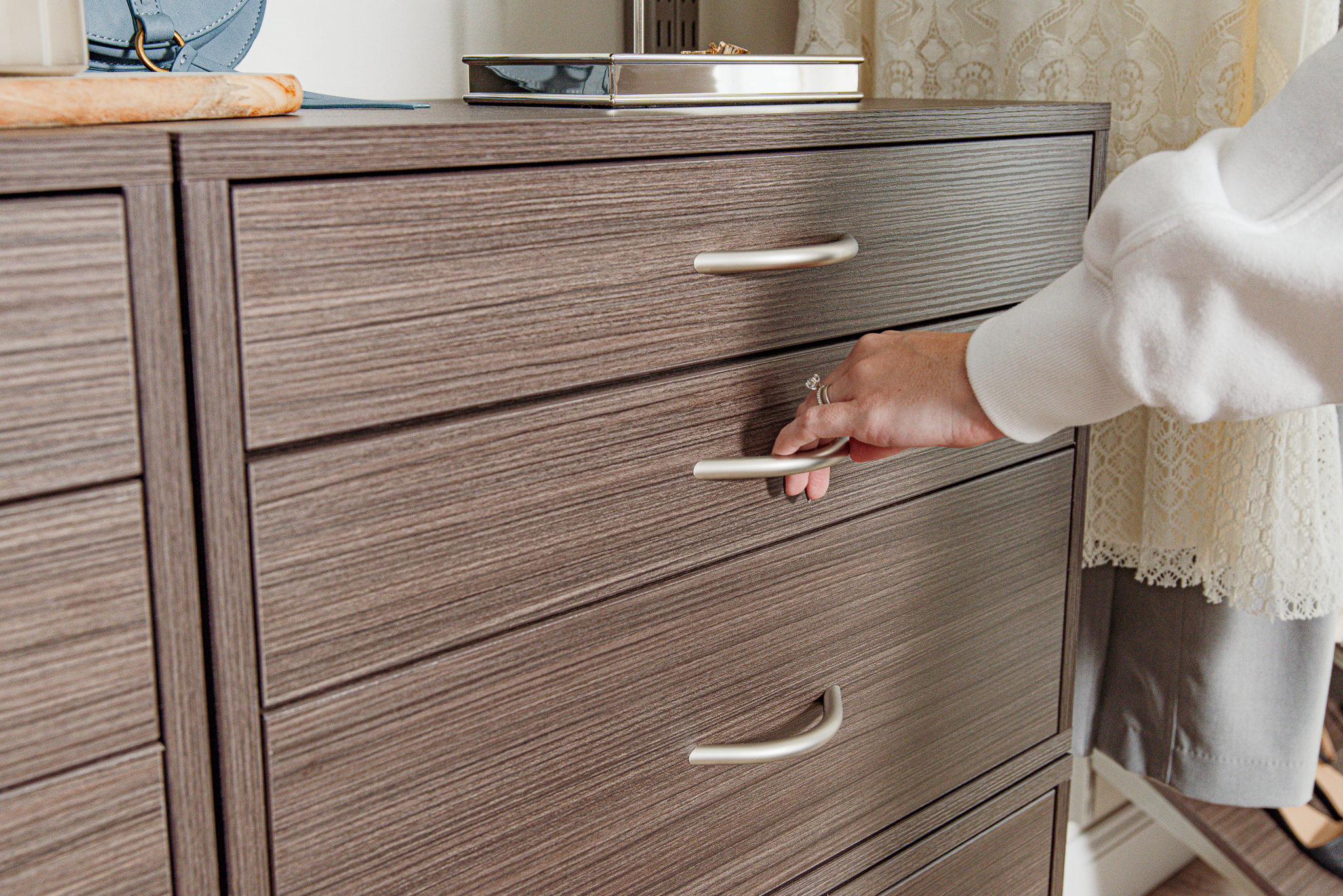
The Multifamily landscape is evolving, and units need to adapt to:
Changing renter demographics
Shifts in household size
Work-from-home lifestyles
Increased demand for flexibility
Adaptable storage systems allow communities to evolve without major renovations — protecting long-term value and keeping units competitive.
Why Storage Is a Strategic Investment in 2026
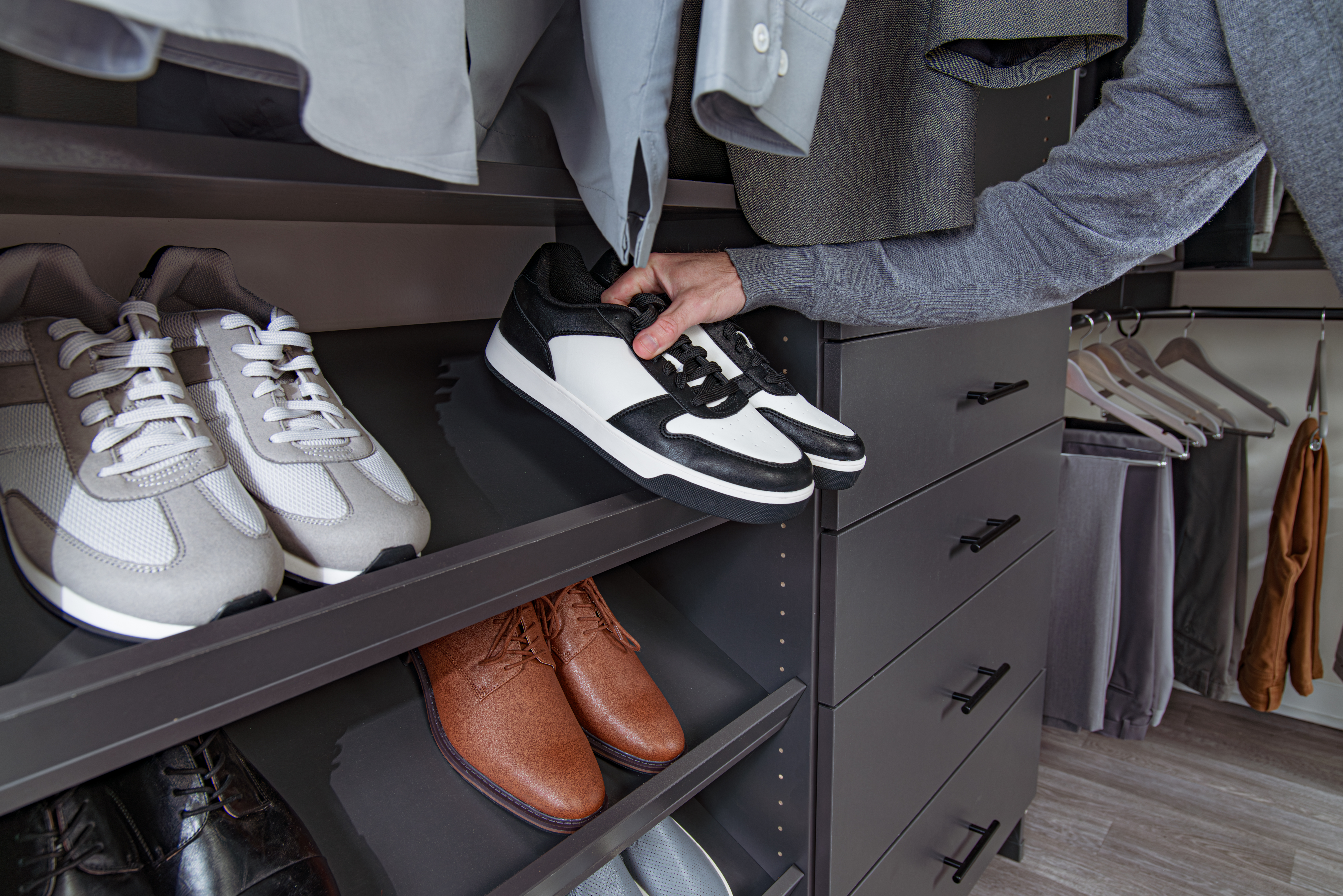
Closet design impacts every stage of the Multifamily lifecycle:
Leasing: Faster decisions, higher perceived value
Operations: Fewer change orders, smoother installs
Maintenance: Lower repair costs, easier replacements
Property Management: Faster turns, fewer headaches
Residents: Better daily living, stronger retention
In a year where every dollar must work harder, storage is one of the most efficient ways to strengthen performance without increasing base construction costs.
Partner With a Team That Understands Multifamily
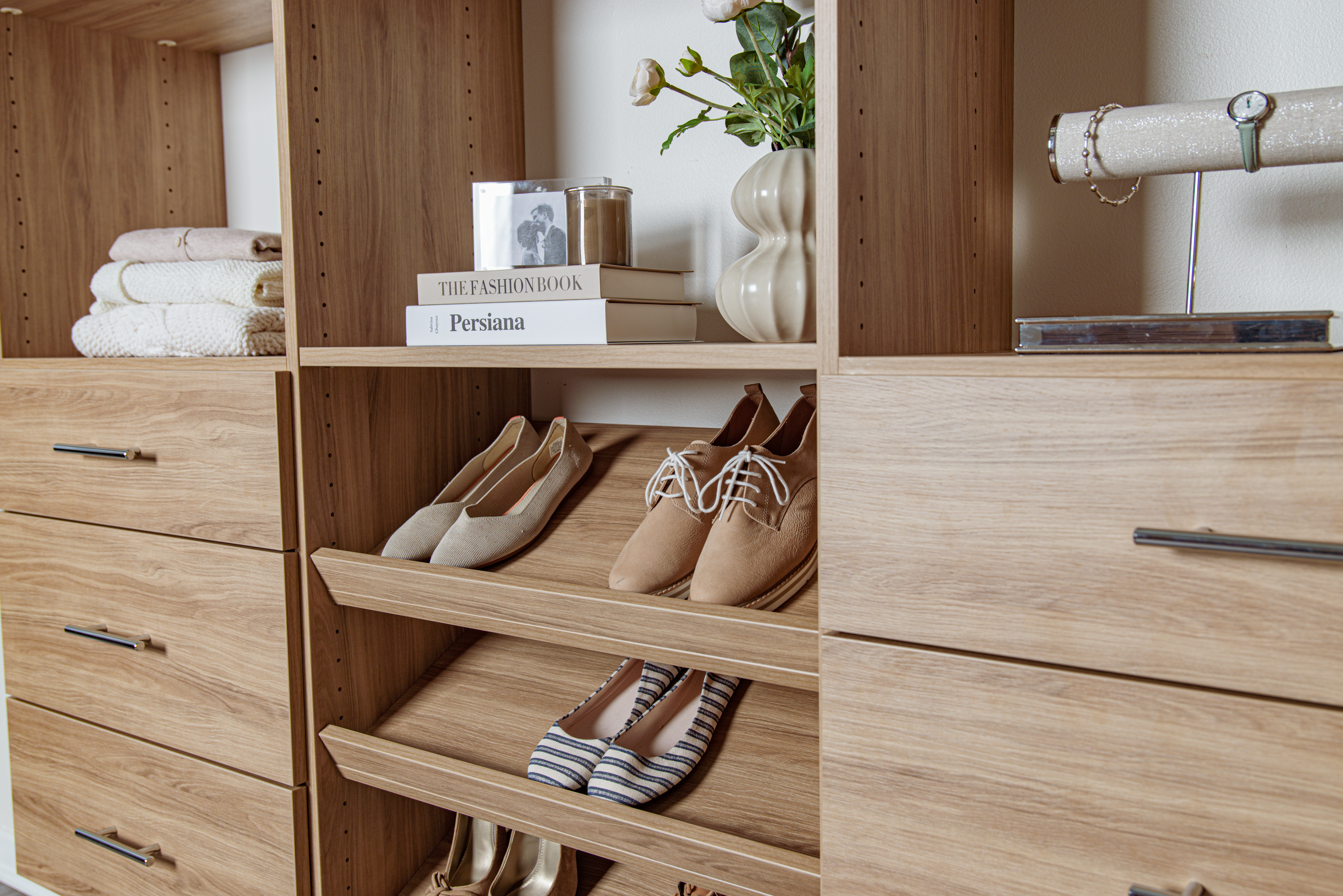
Organized Living has spent decades helping Multifamily teams design storage that performs — not just on day one, but for the life of the building. Our systems are engineered for durability, flexibility, and operational efficiency, giving communities a competitive edge in any market. If you’re looking to improve NOI in 2026, start with the feature Residents use every single day.